
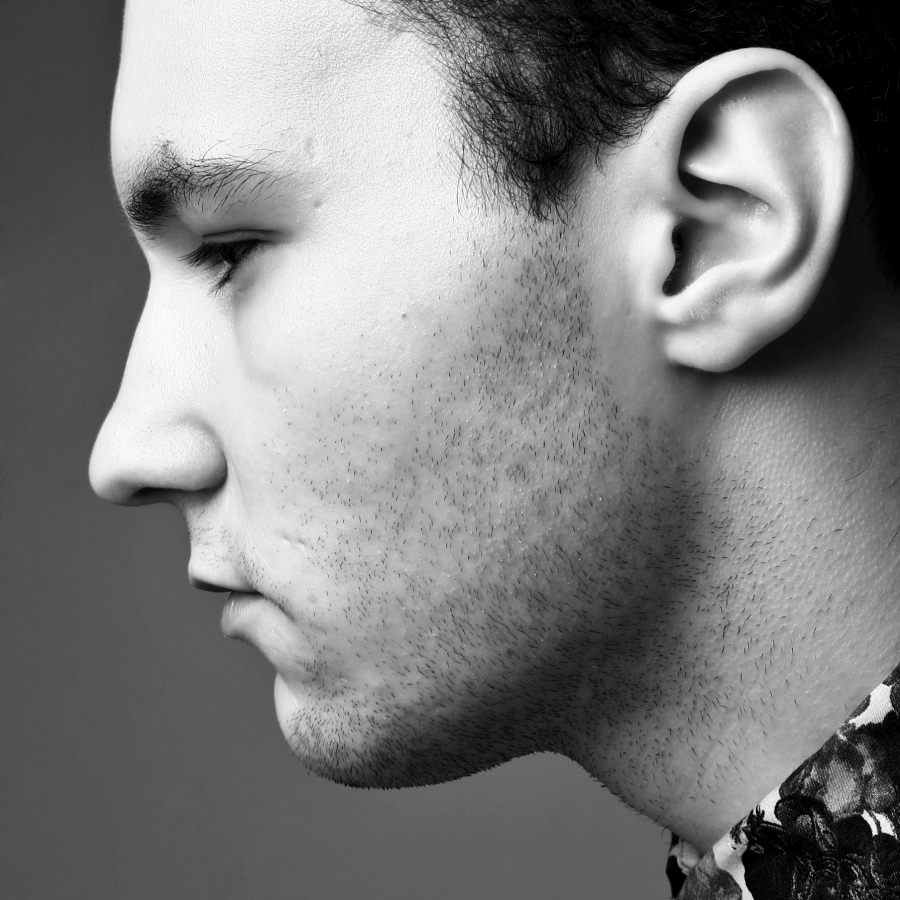
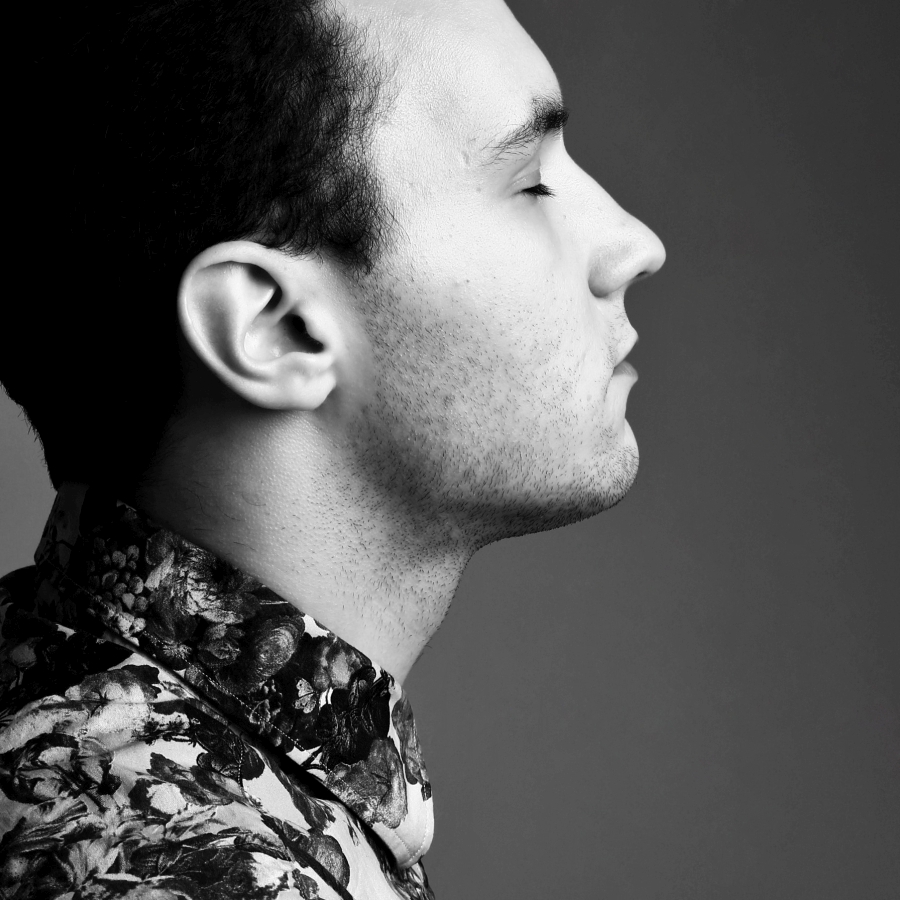
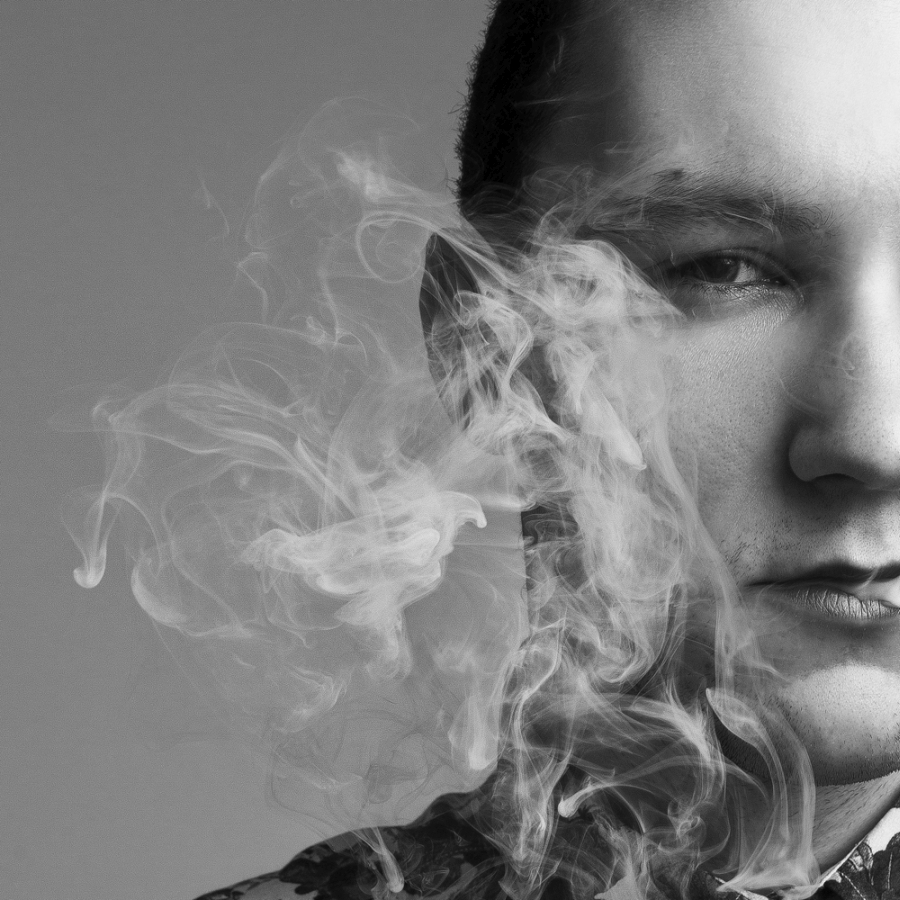
Capturing the essence of a person may be simpler if you dare to get up close and personal. By getting close, you may reach behind that veil of smoke that so many of us attempt to hide behind.
Photo credit: Britt Embry
Capturing the essence of a person may be simpler if you dare to get up close and personal. By getting close, you may reach behind that veil of smoke that so many of us attempt to hide behind.
Photo credit: Britt Embry
“By walking in a snowy forest, you can really forget about this world, and every time you forget about this world, you leave this world, and every time you leave this world you gain a very special wisdom that does not exist in this world.”
― Mehmet Murat Ildan
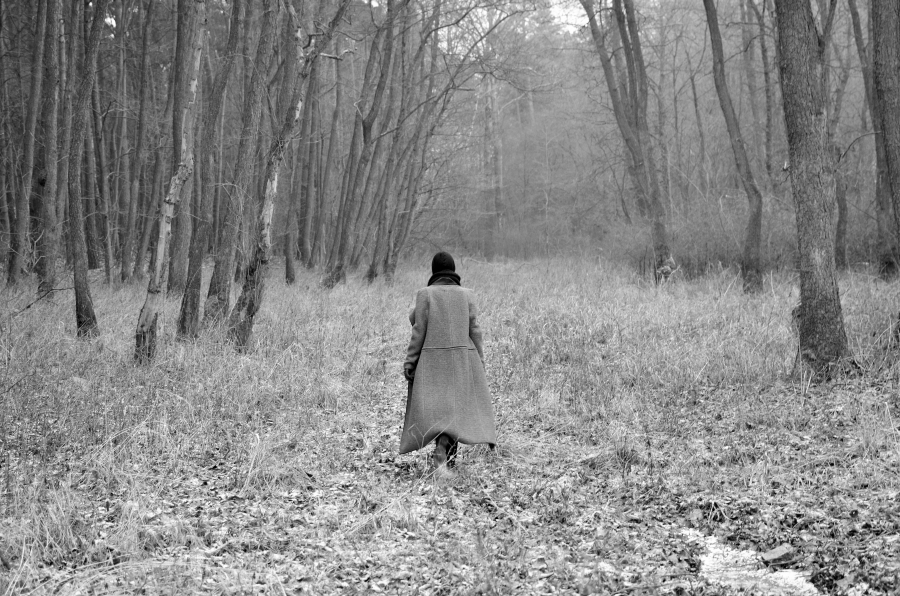
“The clearest way into the Universe is through a forrest of wilderness.”
– John Muir (1838-1914), early advocate for preservation of wilderness.
Photo credit: Britt Embry
“I have two doctors, my left leg and my right.”
– G. M. Trevelyan
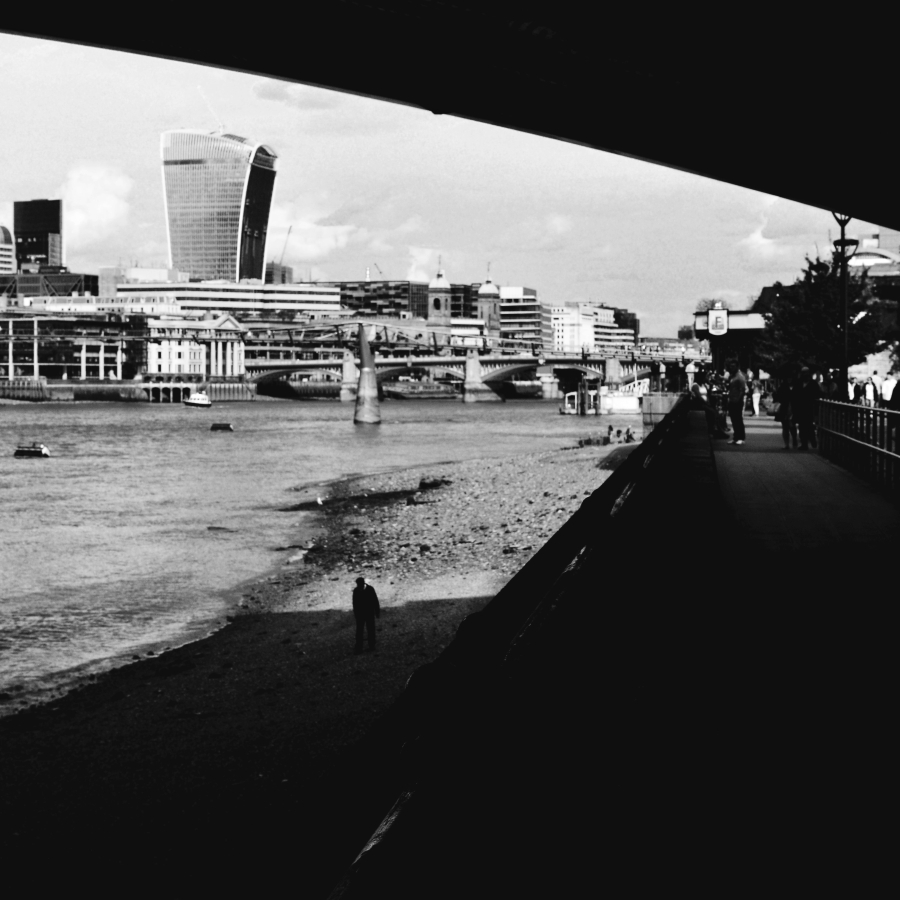
Photo credit: Britt Embry
One person is capable of showing countless facial and bodily expressions, all of which tell their part of the story of who that person is.
These portraits were taken for Halloween 2014, attempting to reveal the more dark, indifferent, condescending and arrogant sides that a person may have.




Photo credit: Britt Embry
They say a picture can speak a thousand words, but how much may the interpretation of the story that these words tell change with the subtle differences that might be captured in an expression, with only a second between frames?
This is the same man, in the same setting, doing the same thing. Yet the slight differences in his expression and the tilt of his head lead the viewers thoughts in two opposite directions regarding what he may be thinking and feeling.
It is a powerful reminder of how those who chose which picture to use in a story, say in a newspaper article, can knowingly or unknowingly manipulate the viewer and reader simply by which picture they choose to use.

Photo credit: Britt Embry
London attracts millions of people and tourists from around the world. All may not be able to communicate clearly by use of the English language, but one language that can be understood by all is the language of music.
Musicians have the ability to communicate without words, and yet make themselves perfectly understood by those who listen. Music and sounds may evoke thoughts, feelings and responses, be it through smiles, dances or tears.
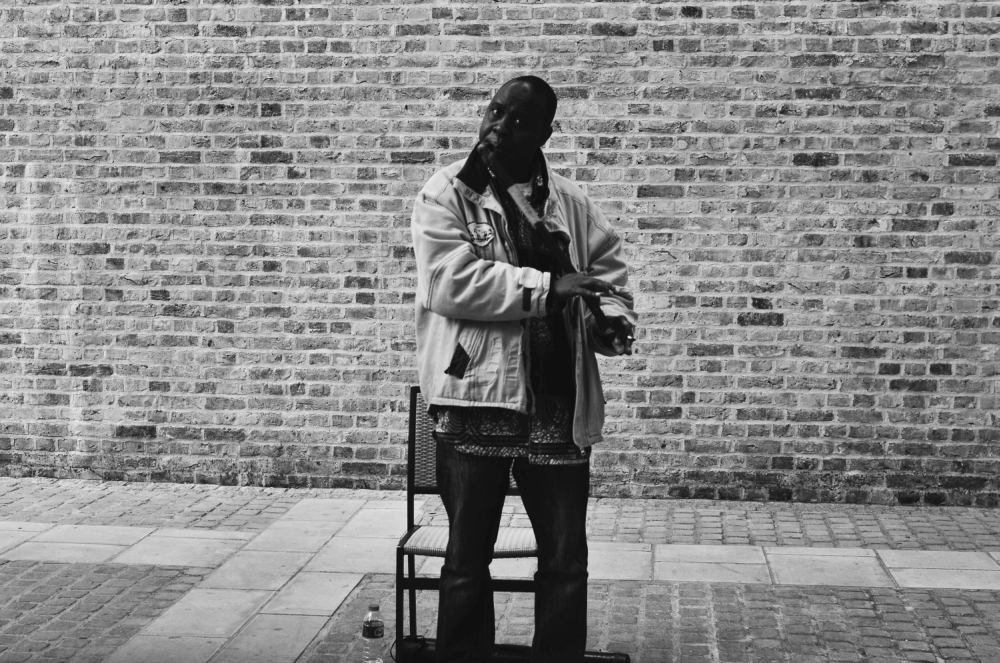
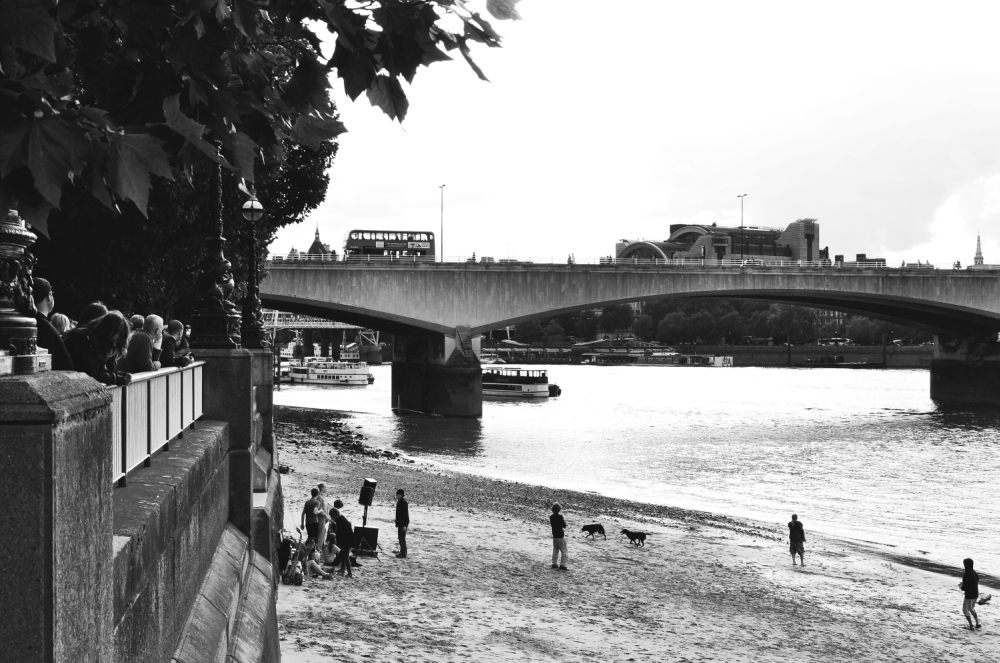

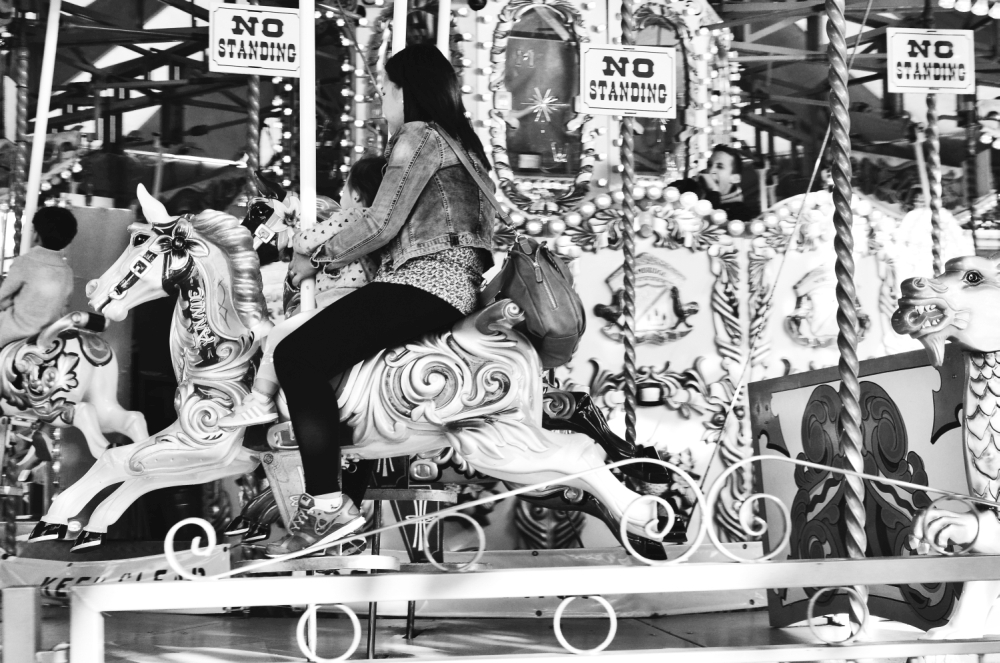
Photo credit: Britt Embry
“In the city fields
Contemplating cherry-trees…
Strangers are like friends”
― Kobayashi Issa, Japanese Haiku

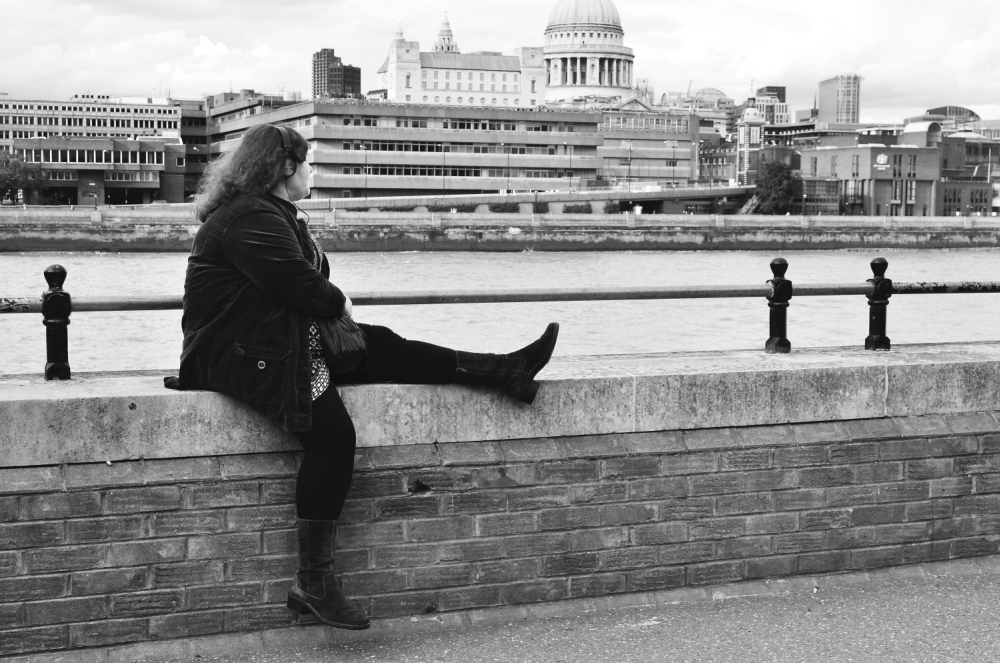
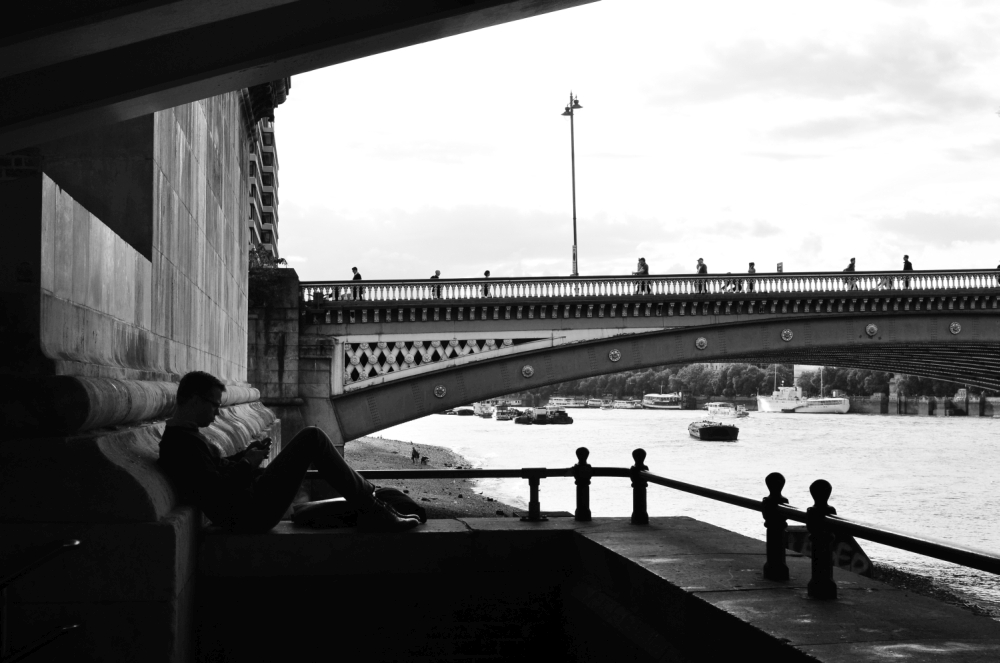
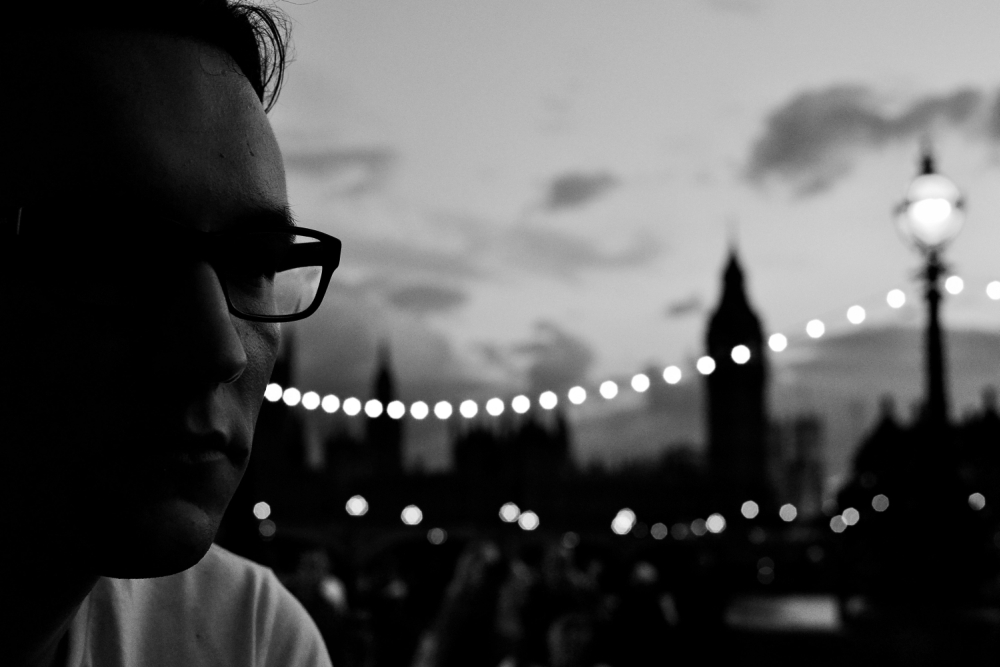
Photo credit: Britt Embry

Cats may sleep up to 20 hours a day. What sweet dreams must they have to make sleeping so long so worth while?
Photo credit: Britt Embry
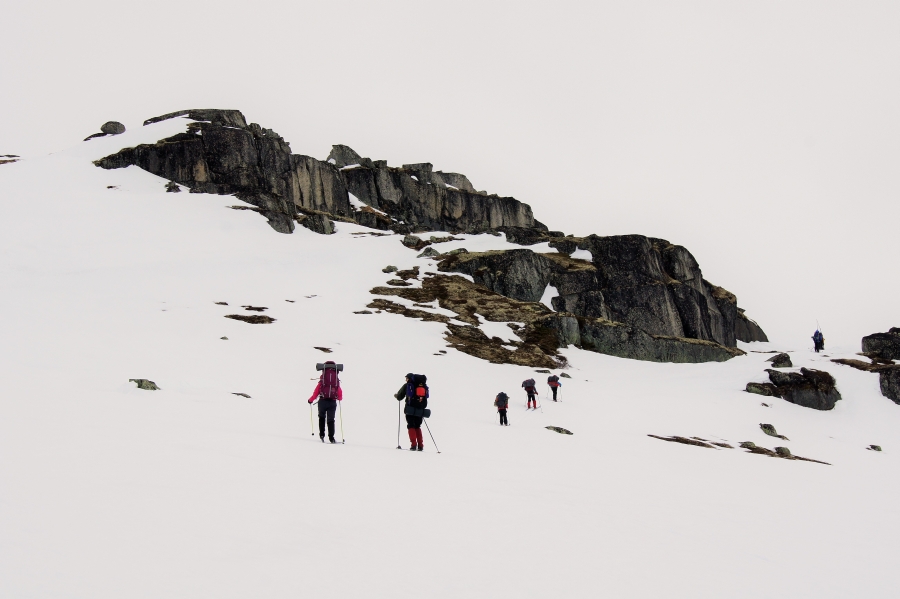
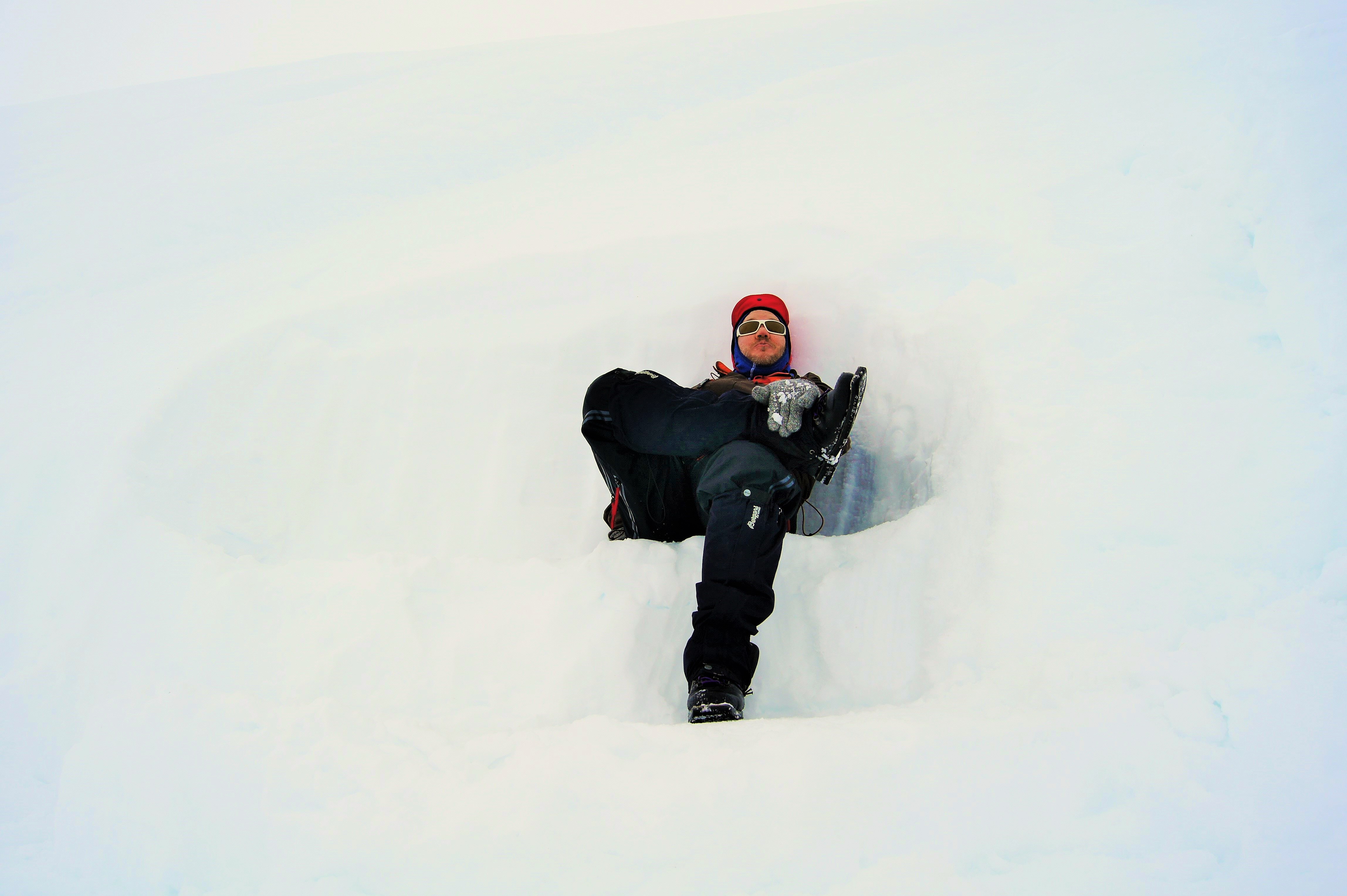
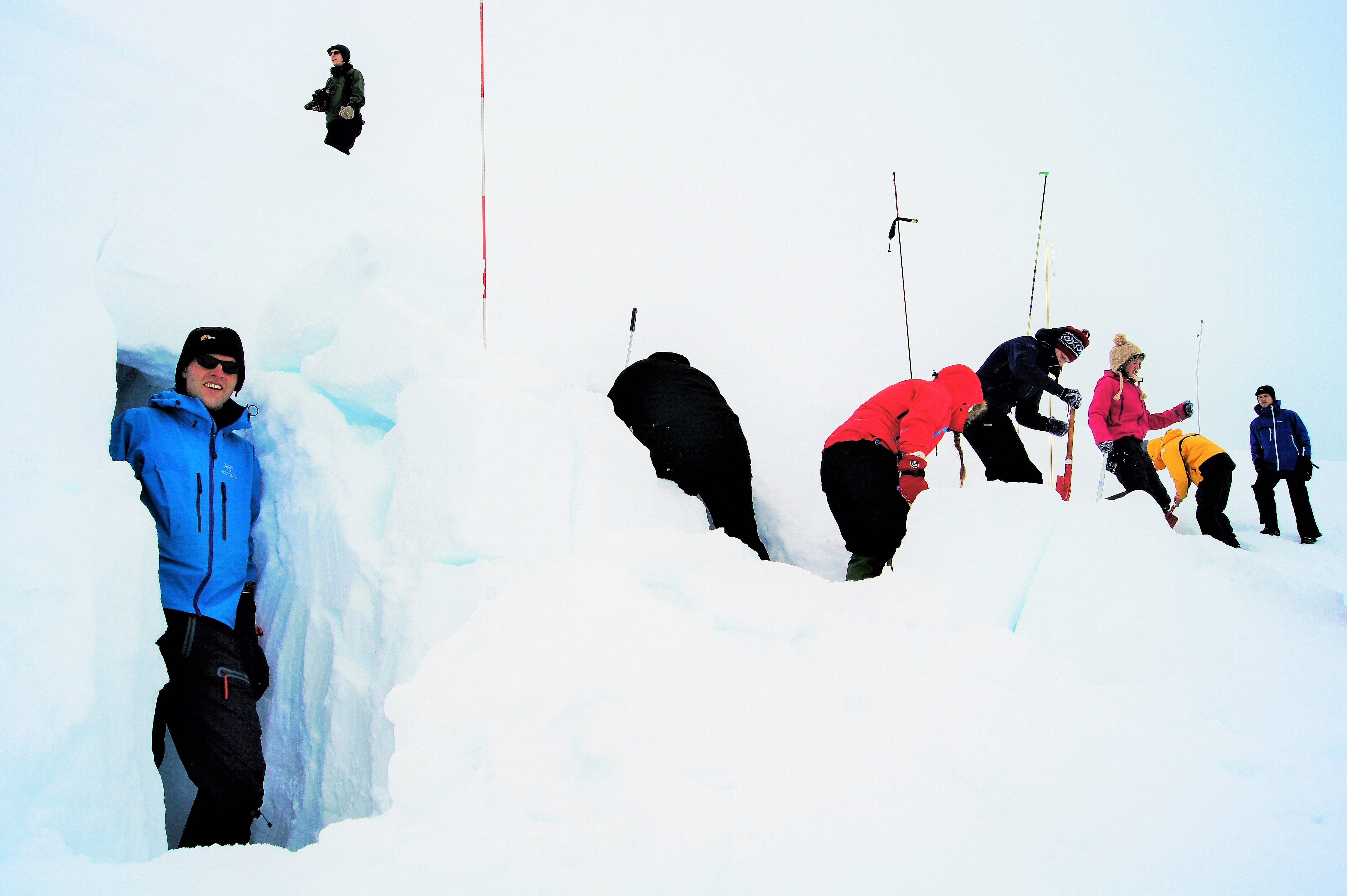

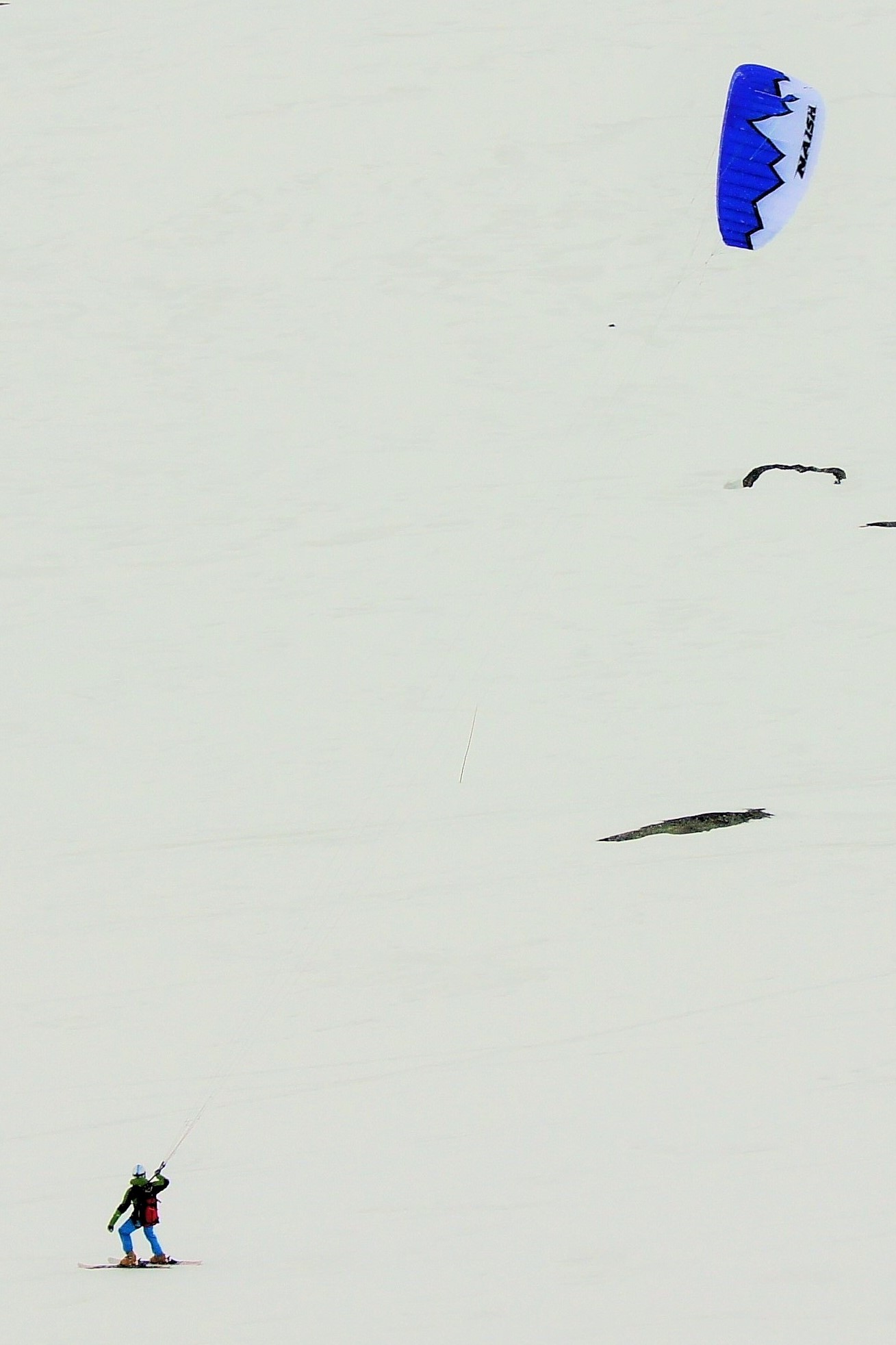
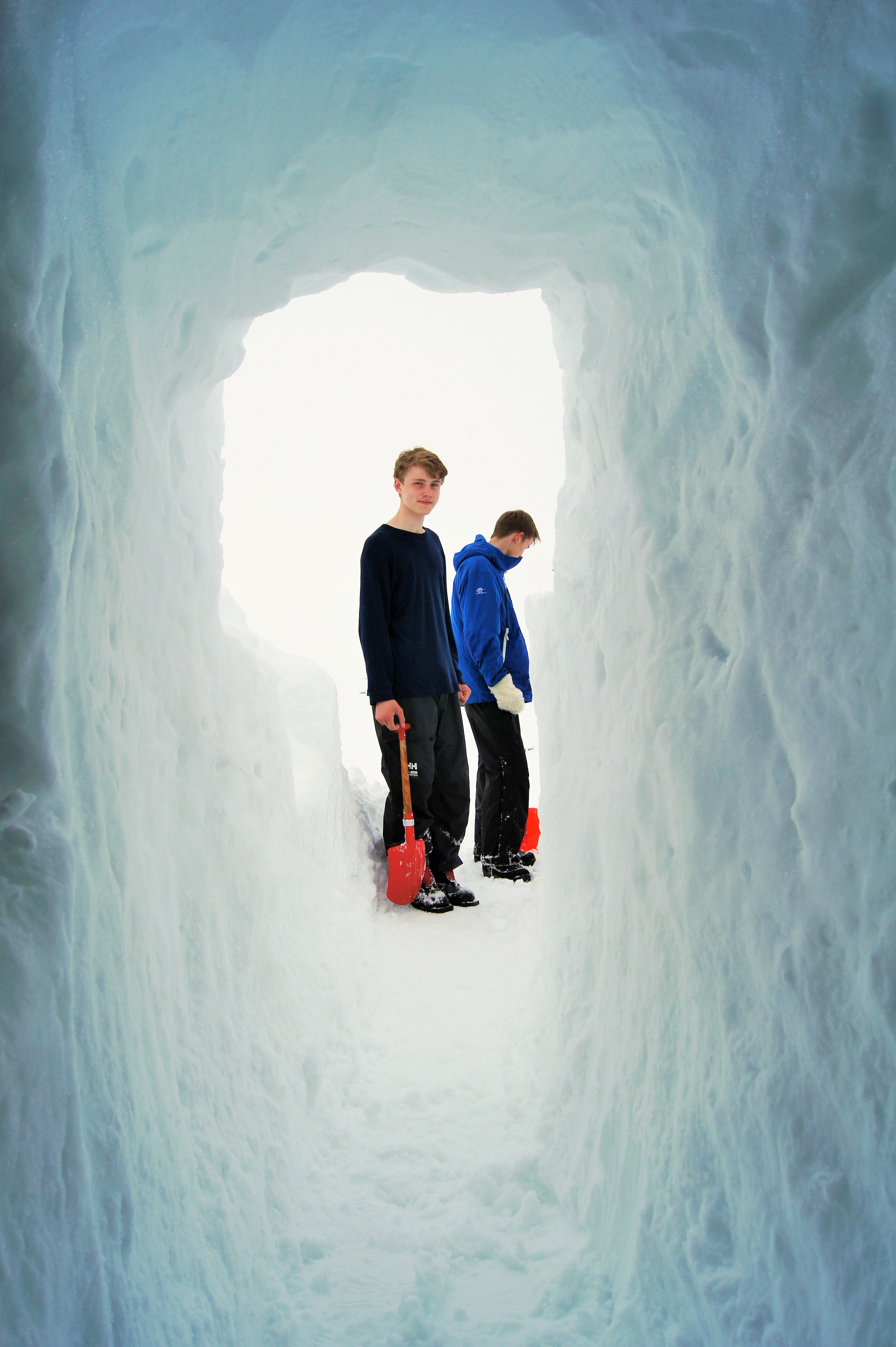
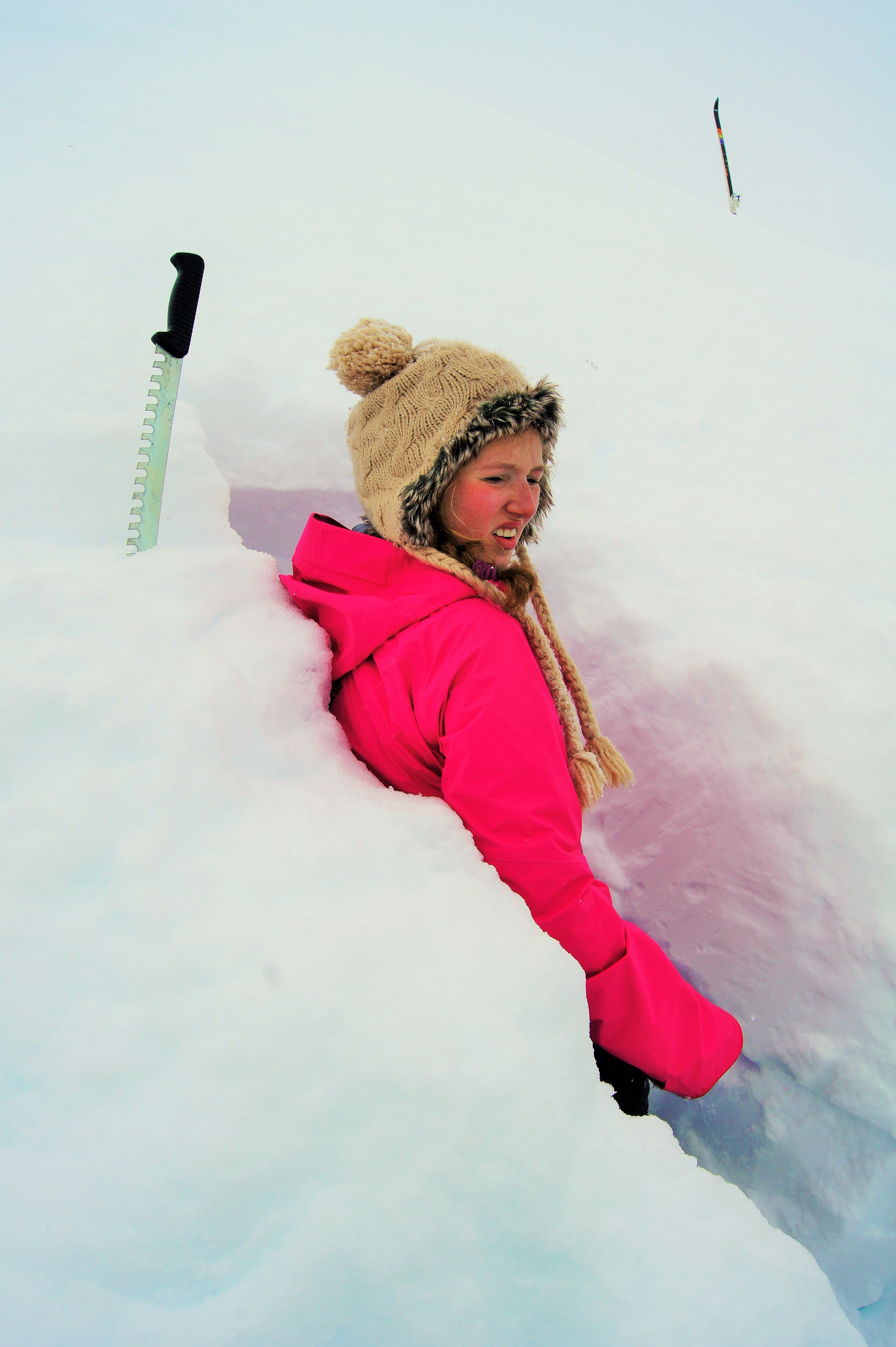
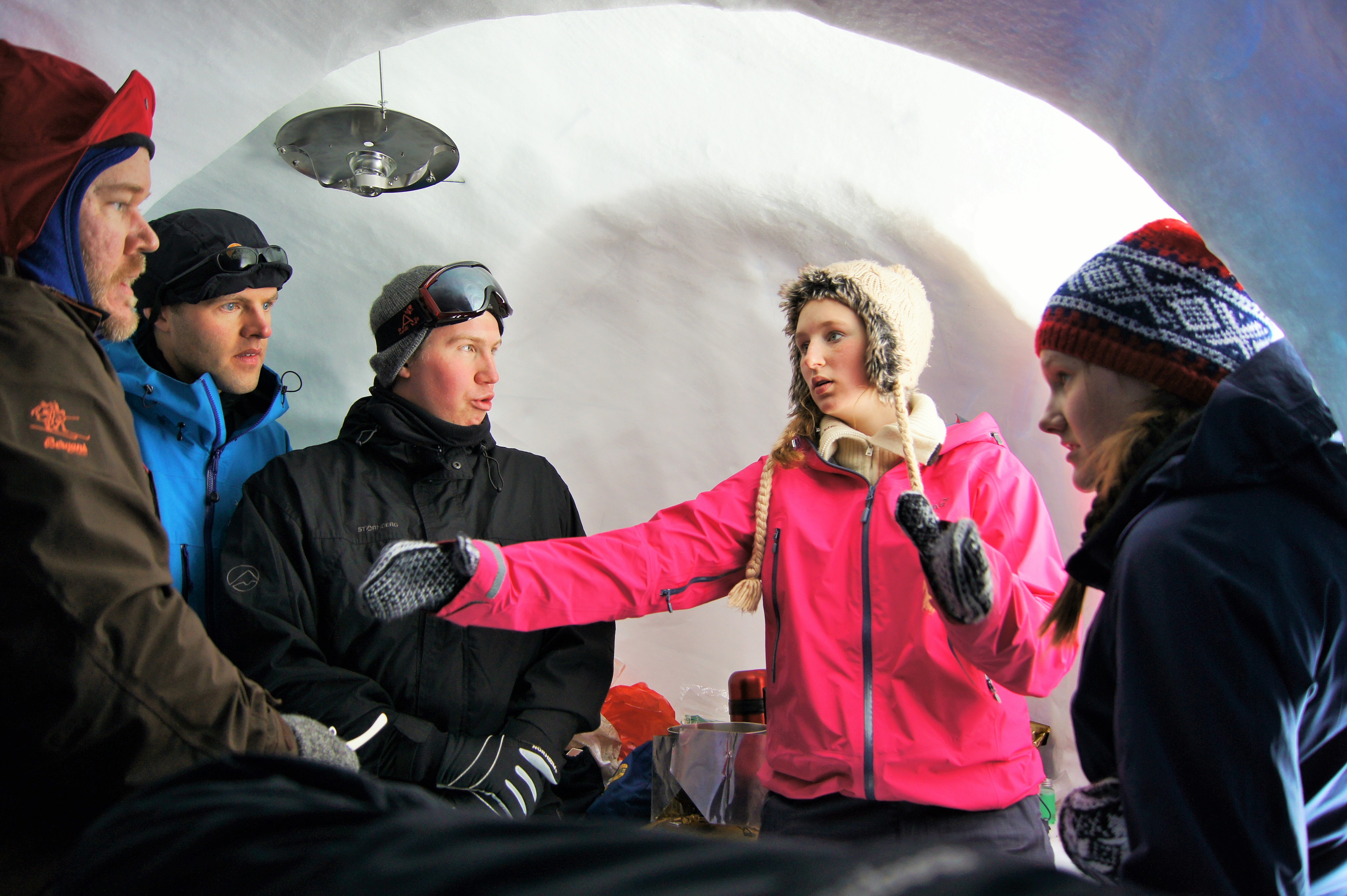
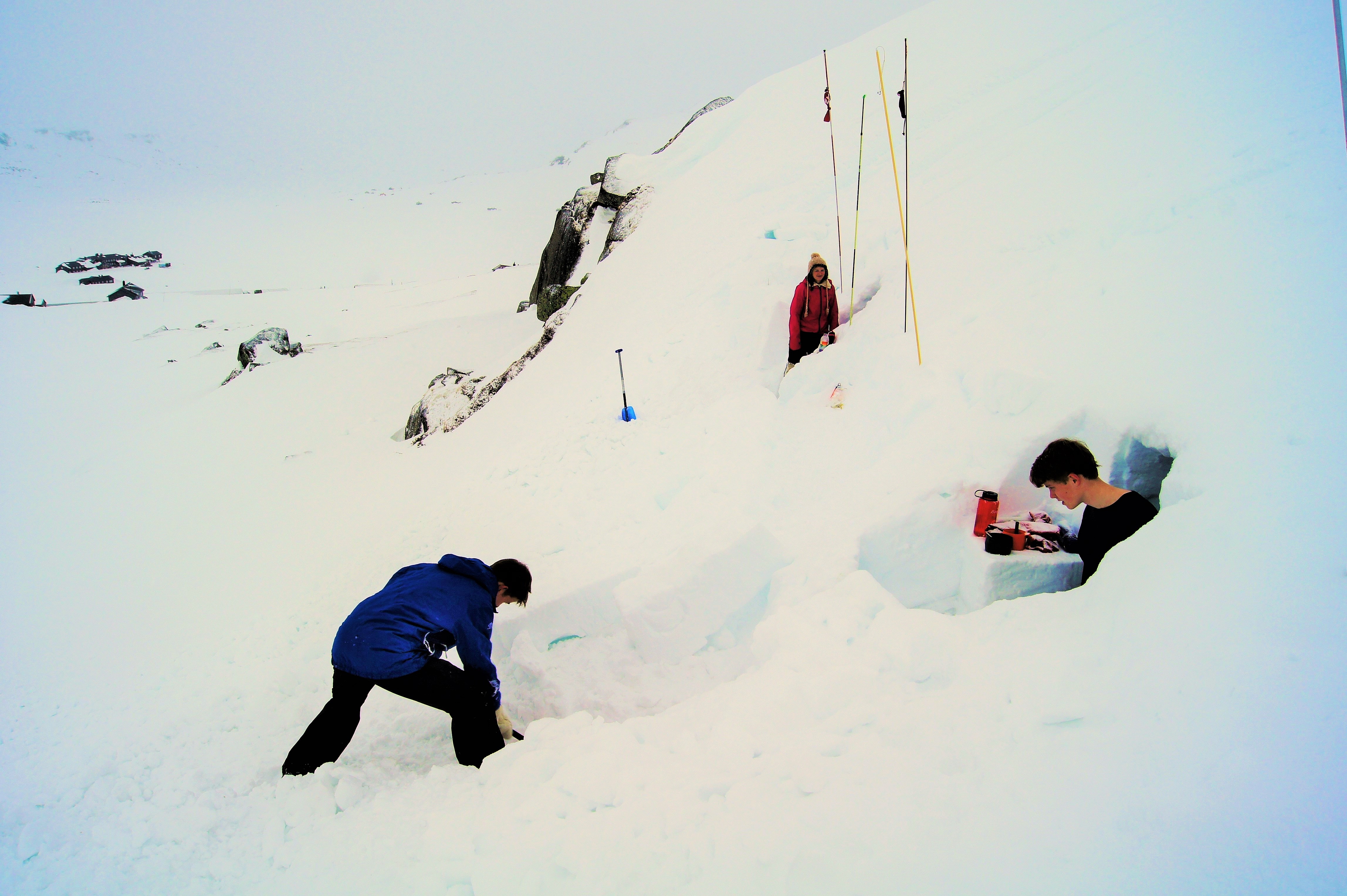
At 1222 metres above sea level, Finse in Norway lies at the highest point on the railway between the city of Bergen in the west and the Norwegian capital Oslo in the east. Finse is a favoured location for both winter and summer activities.
Finse is also a favoured location for learning how to build snow caves. The KFUK-KFUM Scouts in Bergen (pictured above) annually offer their youth members a course in building snow caves. Having the tools, knowledge and skills to build a snow cave may be what gets you out alive if you suddenly find yourself surprised by bad weather, lost or simply did not turn back in time.
On winter days when the sky is so white that is seemingly merges into the ground, when snow and fog envelop any landmarks around you, and when there is no sunshine or moonlight to contour your white surroundings, you are at extra high risk of getting lost.
Learning how to build a snow cave may then be what saves you from leaving Earth and entering Heaven a little too soon.
Articles available at:
http://www.ba.no/nyheter/article7292984.ece
http://www.ba.no/nyheter/article7292975.ece
Photo credit: Britt Embry
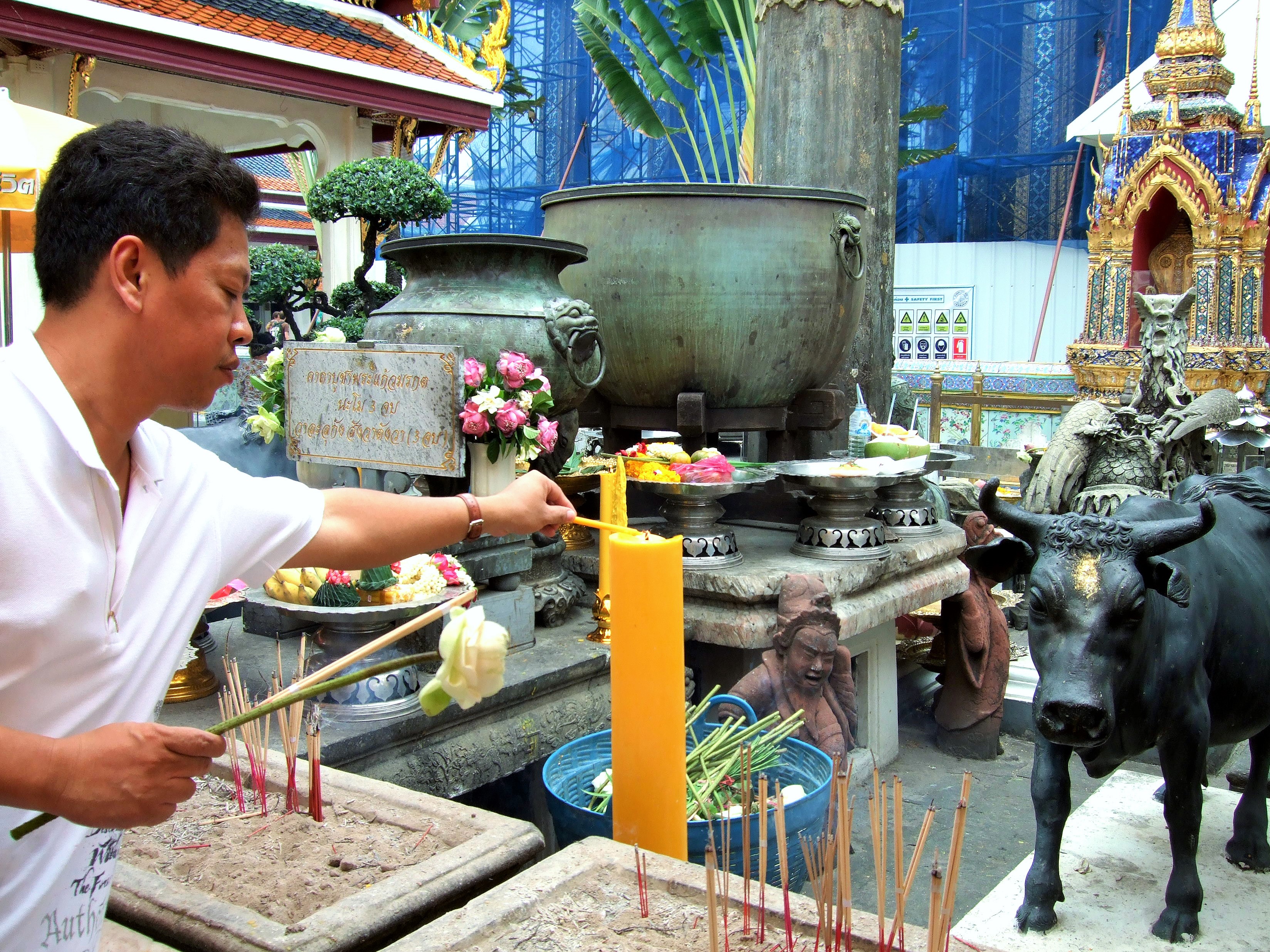
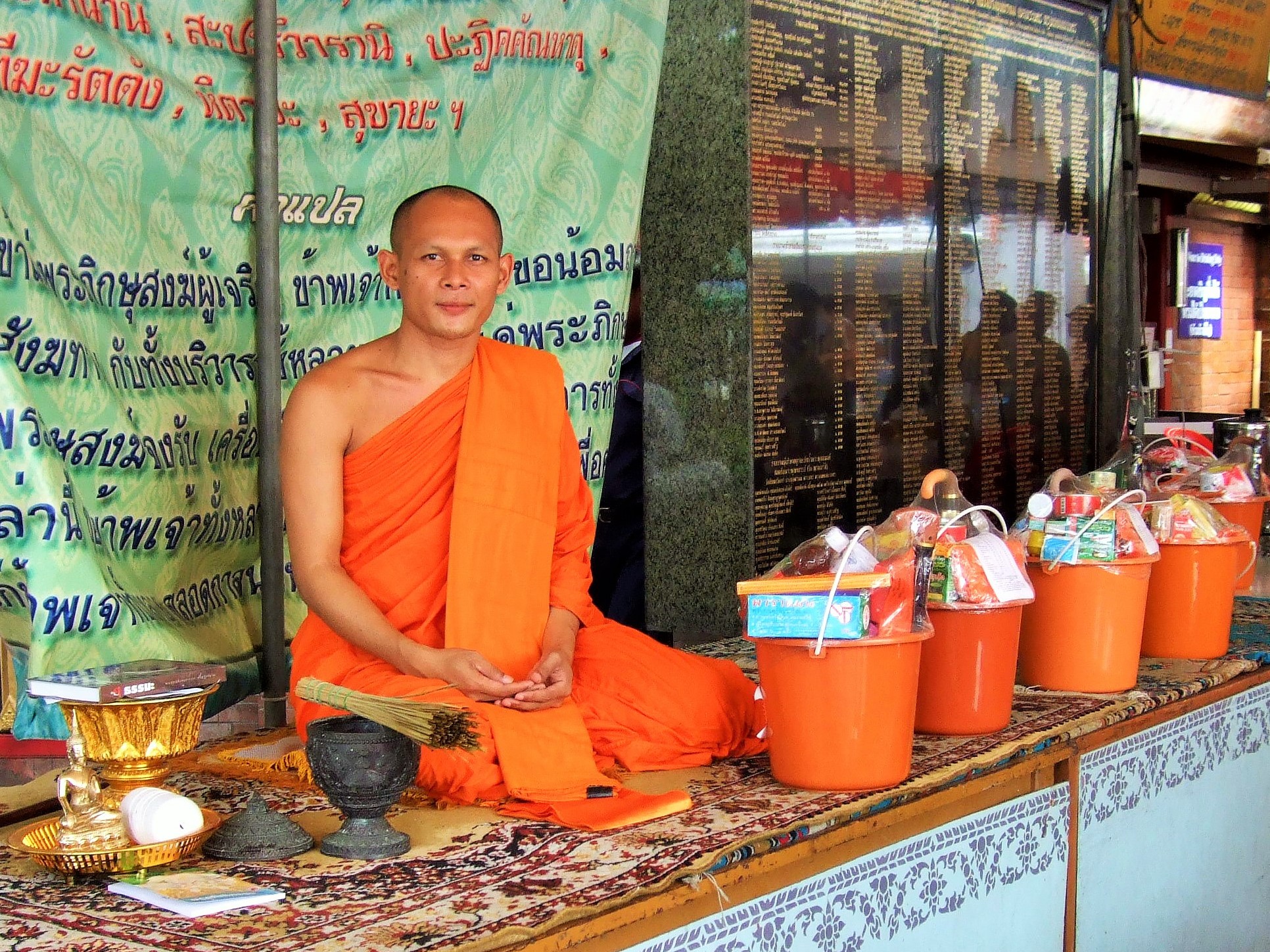
Bangkok, Thailand.
Colours remain significant in the everday practice of Buddhism. The most common Buddhist flag is made of the colours blue, yellow, red, white and orange. In some variations of this flag, the colour orange is replaced with maroon, green or pink.

BLUE symbolises UNIVERSAL COMPASSION for all beings.
YELLOW symbolises the MIDDLE WAY, which avoids extremes and brings balance and liberation.
RED symbolises the BLESSINGS that the practice of the Buddhas Teaching brings.
WHITE symbolises the PURITY of the Buddhas Teaching and the LIBERATION that it brings.
ORANGE symbolises the WISDOM of Buddhas Teaching.
Facts and flag credit: The Buddhist Council of Queensland
Photo credit: Britt Embry
 Picture the Stories